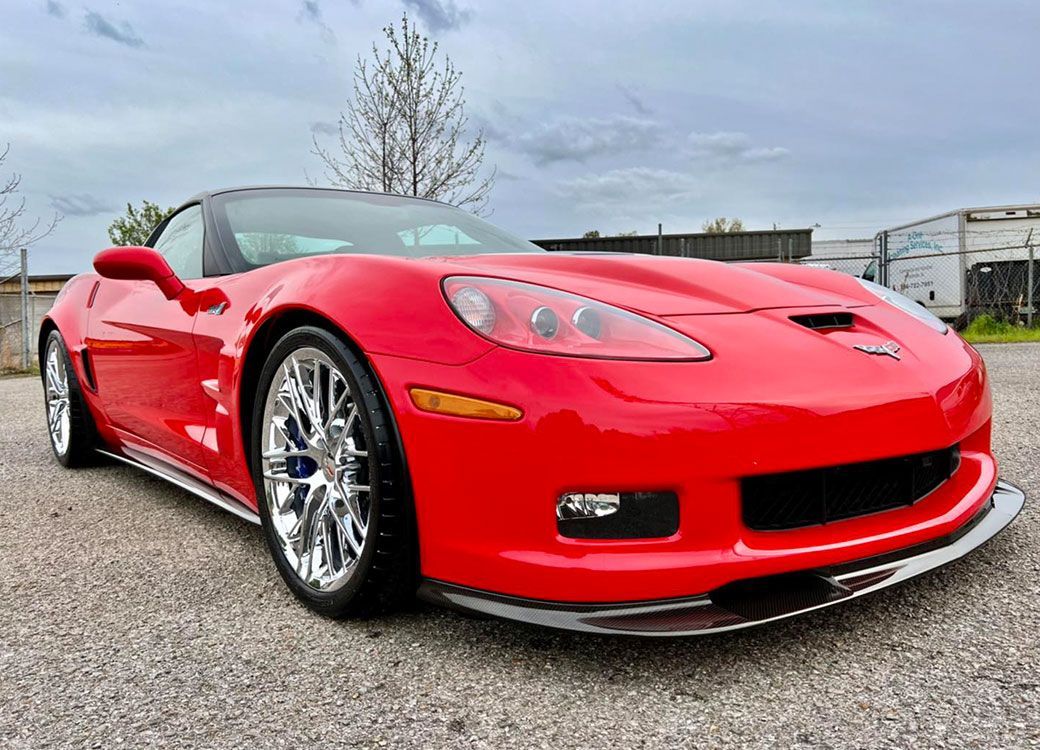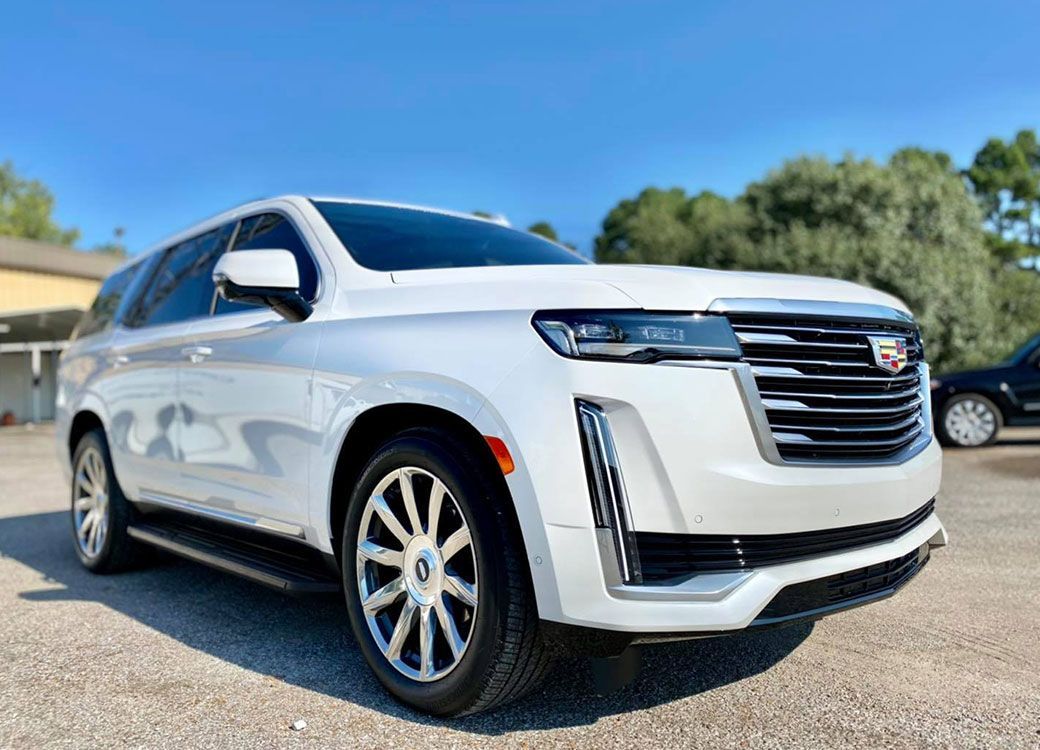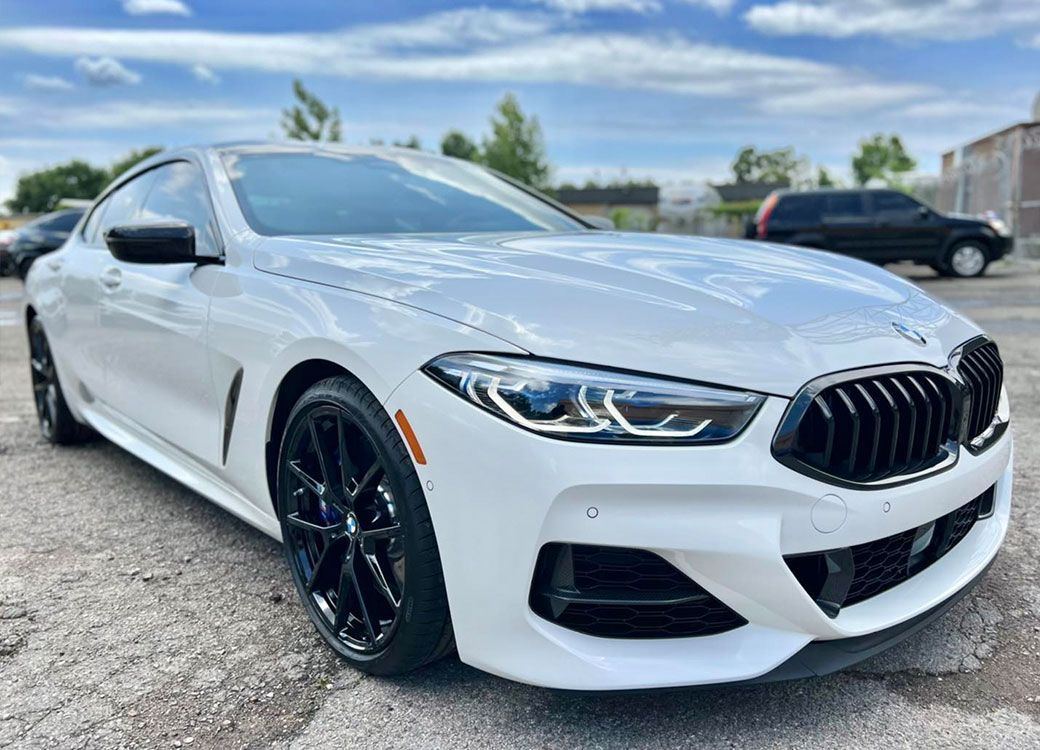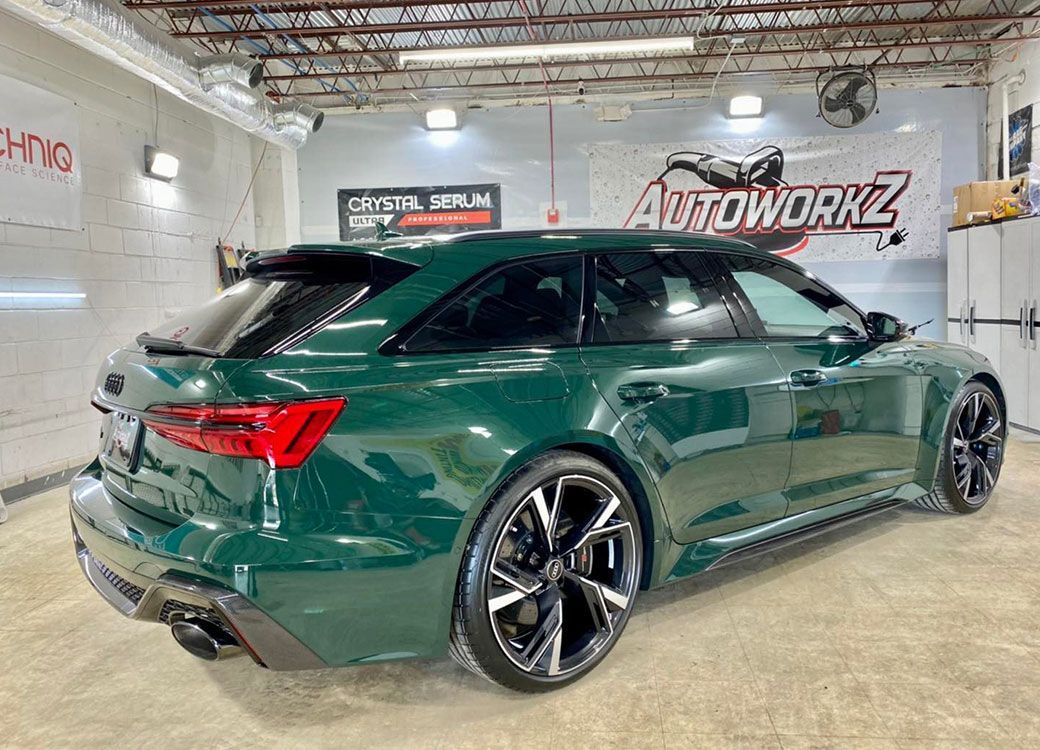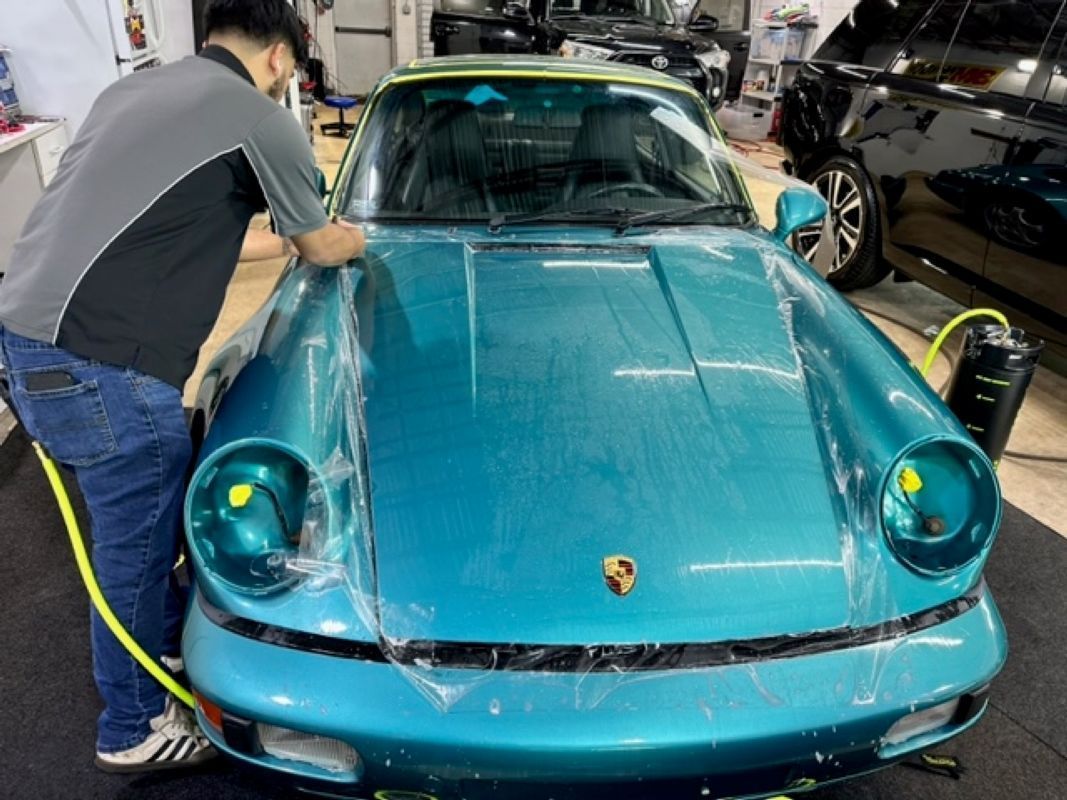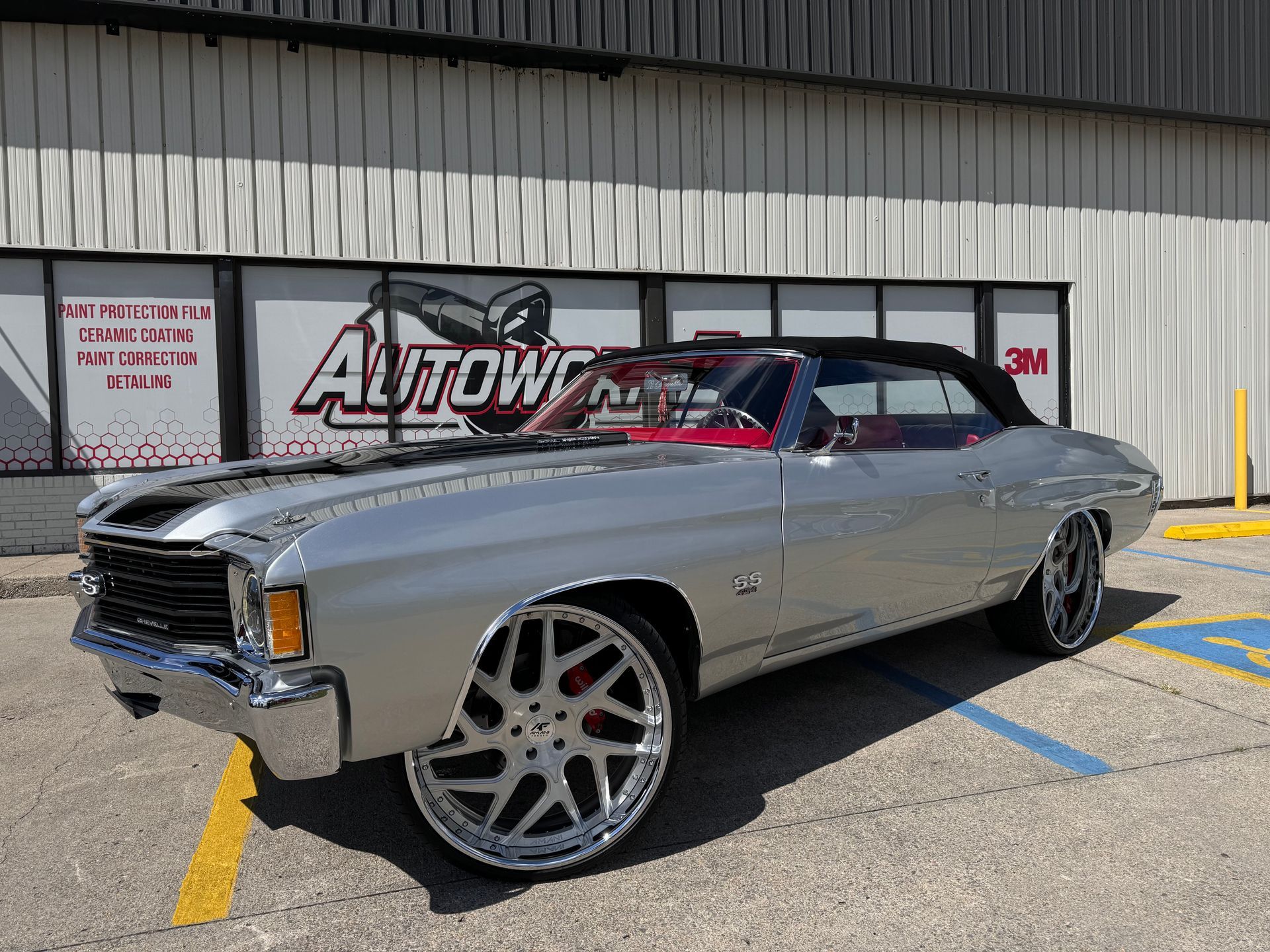
Huntsville drivers deal with a demanding mix of conditions, from gravel kicked up along I-565 and Memorial Parkway to construction zones, sudden storms, and strong summer sun. Each of these can leave marks on factory paint, which is why so many owners now compare frontal PPF vs. full vehicle PPF before committing to protection. The two options cover very different portions of a vehicle, and the better choice depends on how you drive, what you drive, and how long you plan to keep it. This guide from AutoworkZ Detailing explains panel coverage, lifestyle factors, strengths, limitations, and the value of professional guidance so you can decide with confidence.
What Does Frontal PPF Cover?
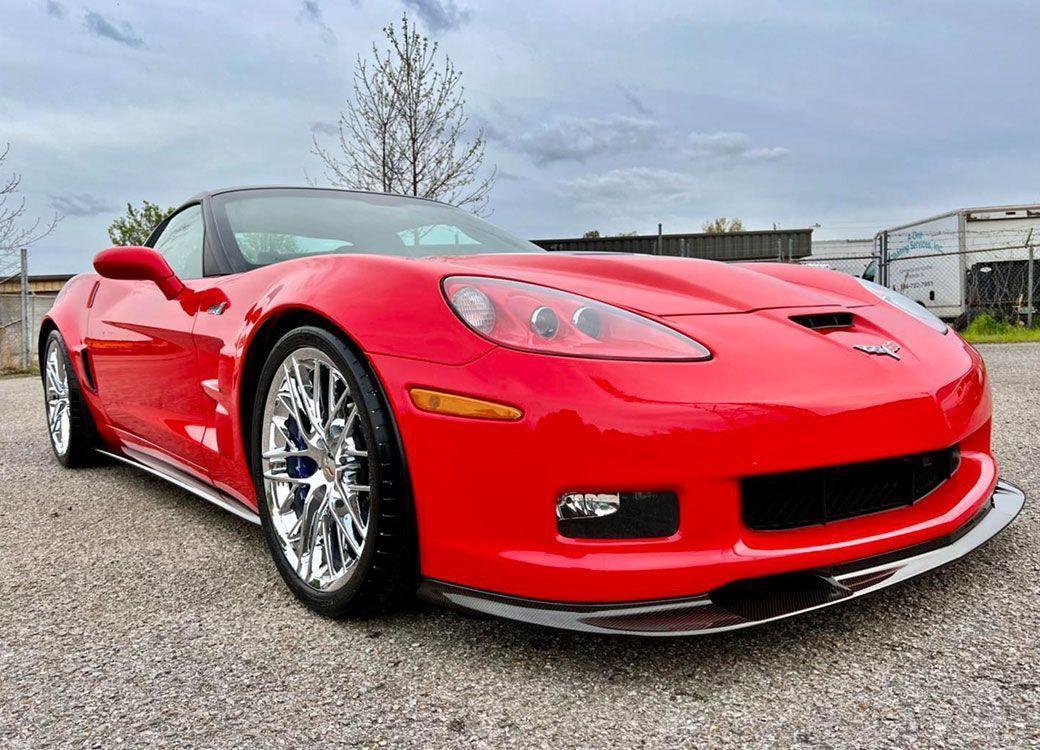
Frontal coverage is built around the parts of a vehicle that take the most punishment while it moves down the road. A typical package protects the hood, front bumper, fenders, side mirrors, and headlight assemblies, and some owners choose a partial version that covers only the leading portion of the hood and fenders. These panels face the road head-on, so they collect rock strikes, insects, and debris far more often than the rest of the car. At AutoworkZ Detailing, frontal packages are a practical way to guard the highest-impact zones without covering every panel.
What Does Full Vehicle PPF Cover?
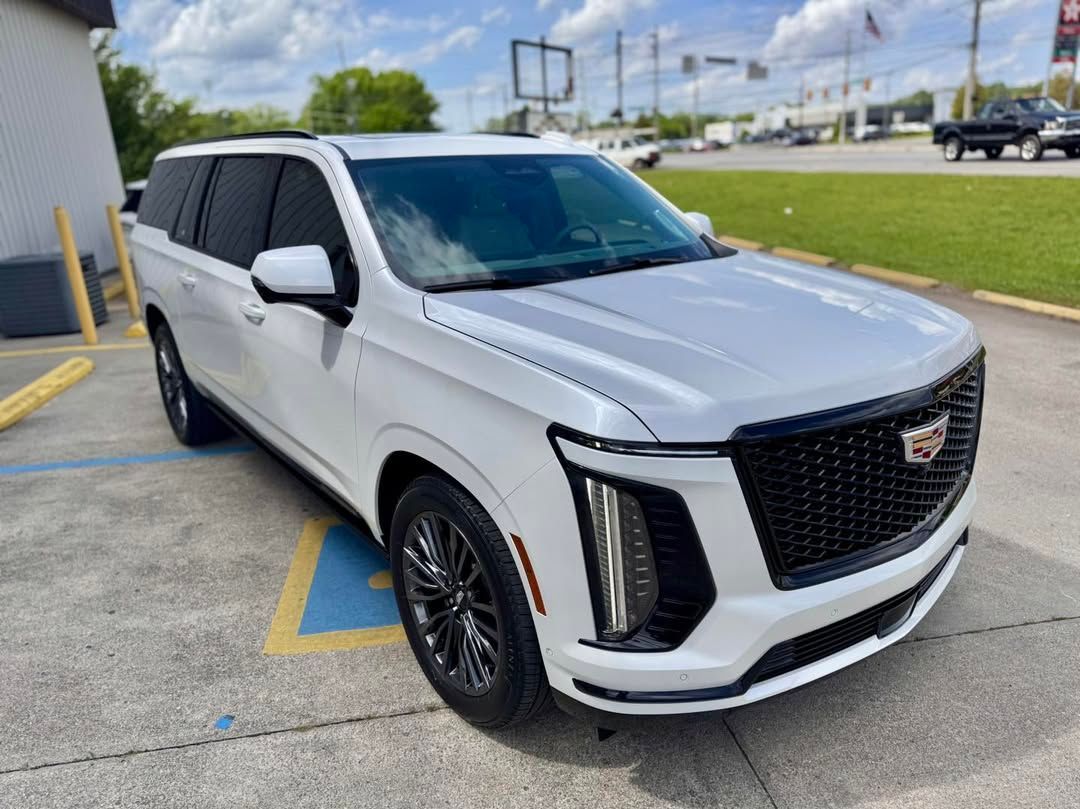
Full vehicle coverage extends well beyond the front end and wraps nearly every painted surface in a clear protective layer. In addition to the hood, bumper, fenders, mirrors, and headlights, it includes the doors, quarter panels, roof, trunk or tailgate, door edges, and rocker panels. Owners often add door cups, handle areas, and pillar posts for even more complete protection. The result is a uniform, seamless shield against chips, minor scratches, and environmental damage on every side of the vehicle. If you want your paint preserved as close to showroom condition as possible, the full option delivers the broadest protection available through our paint protection film services.
Frontal PPF vs. Full Vehicle PPF: Key Differences at a Glance
The simplest way to understand the difference is to think about where damage actually happens and how much of it you want to prevent. Frontal coverage focuses on the leading edges of the vehicle, which means a smaller film footprint, a lower investment, and a shorter installation window. Full coverage protects the entire painted body, which means a larger investment, a longer installation time, and protection against hazards that frontal film cannot reach, such as parking lot door dings and road spray along the sides. Frontal suits drivers who want targeted defense, while full suits owners who want complete peace of mind.
How Your Driving Habits and Road Conditions Shape the Right Choice
Your daily routine is one of the strongest indicators of which coverage will serve you best, because exposure looks very different from one driver to the next. A person who spends hours on the interstate faces a different set of risks than someone who navigates crowded parking lots every morning, and both face the realities of North Alabama weather. Looking honestly at where your vehicle spends its time makes the frontal PPF vs. full vehicle PPF decision much clearer. The following scenarios show how common Huntsville driving patterns point toward different levels of protection.
Highway Commuters and Frequent Long-Distance Drivers
If your week includes regular trips on I-565, I-65, or other high-speed routes, the front of your vehicle takes a constant barrage of gravel, grit, and insects. At highway speeds, even a small stone can chip paint instantly, and those chips tend to grow into rust or visible blemishes over time. Frontal coverage is a smart baseline for this kind of driver because it shields the exact panels that receive the heaviest impact. Many commuters find that protecting the hood, bumper, fenders, and mirrors addresses the vast majority of the damage their vehicle is likely to experience.
City Drivers and Daily Commuters
Drivers who spend most of their time in town face a different set of threats, including shopping carts, tight parking spaces, careless door swings, and stop-and-go traffic with close contact. These incidents usually affect the sides and rear of a vehicle, which frontal film does not cover. For people who park in busy lots at work, school, or shopping centers, full coverage can make a lot of sense because it guards the doors, quarter panels, and bumpers where minor scrapes happen most often. The more crowded your daily environment, the stronger the case for protecting the whole vehicle.
Weather and Environmental Exposure in North Alabama
North Alabama weather puts steady stress on paint regardless of how or where you drive. Intense summer sun, high humidity, pollen, tree sap, bird droppings, and sudden storms all affect horizontal surfaces like the roof, hood, and trunk as much as they affect the front end. Over time, these elements can dull finishes and leave stubborn marks that are difficult to remove. A vehicle that spends many hours parked outdoors benefits from broader coverage, since environmental damage reaches panels that frontal film leaves bare. Garage-kept vehicles may need less, while street-parked ones gain more from full protection.
How Vehicle Usage, Budget, and Ownership Plans Affect Your Decision
Beyond driving conditions, the practical side of ownership plays a major role in choosing coverage. How often you drive, how much you want to invest today, and how long you intend to keep the vehicle all influence which option delivers the best value. Two owners with identical vehicles may reasonably choose different packages because their goals are different. Thinking through these questions before your appointment helps narrow the field quickly. The sections below break down the most common considerations our Huntsville customers raise when planning their protection.
Daily Driver, Weekend Car, or Work Vehicle
The role your vehicle plays in your life determines how much exposure it faces and how much protection is worthwhile. A daily driver racks up miles and parking situations quickly, so it often benefits from either strong frontal coverage or a full package depending on the environment. A weekend car that rarely sees heavy traffic may only need protection for its most vulnerable panels. A work truck or service vehicle that travels job sites and rough roads usually takes more abuse than any other category, making wider coverage a worthwhile safeguard for its appearance and value.
Budget and Value Considerations
Cost is a legitimate factor, and the good news is that both options can be a smart investment when matched to the right vehicle. Frontal coverage offers a cost-conscious entry point that protects the areas most likely to need expensive repair or repainting. Full coverage requires a larger upfront commitment but delivers broader value by preventing damage across the entire body, which can reduce paint correction and repainting costs down the road. The key is comparing the price of protection against what repairing or refinishing damaged panels would realistically cost. A professional estimate gives you accurate numbers for your specific vehicle.
Long-Term Ownership and Resale Plans
How long you plan to keep your vehicle should weigh heavily in your decision. If you intend to drive it for five years or more, comprehensive coverage can preserve the finish through years of exposure, keeping the paint looking fresh long after unprotected cars begin to show wear. If you lease or plan to sell soon, well-maintained paint supports a stronger resale impression, and even frontal coverage can help prevent the chips that buyers notice first. Matching the level of protection to your timeline ensures you invest in what you will actually benefit from.
Benefits and Limitations of Frontal PPF
Frontal coverage appeals to many owners because it strikes a balance between protection and affordability, but it is worth understanding both its strengths and its boundaries. It handles the most common source of damage on the road while keeping the project simple, though it does not claim to protect the entire vehicle. Knowing exactly what you gain and what you leave exposed helps you set realistic expectations. Here is how frontal protection performs when measured against the needs of everyday Huntsville drivers.
The main benefits of frontal PPF are its lower cost, its focus on the highest-impact zones, and a faster installation that gets you back on the road sooner. It shields the hood, bumper, fenders, mirrors, and headlights from the rock chips and bug etching that accumulate during normal driving. The limitations are equally clear, since the doors, quarter panels, roof, and trunk remain exposed to dings and environmental wear. On some panels, film edges may also be visible up close. For drivers whose main concern is front-end damage, however, these trade-offs are often perfectly acceptable.
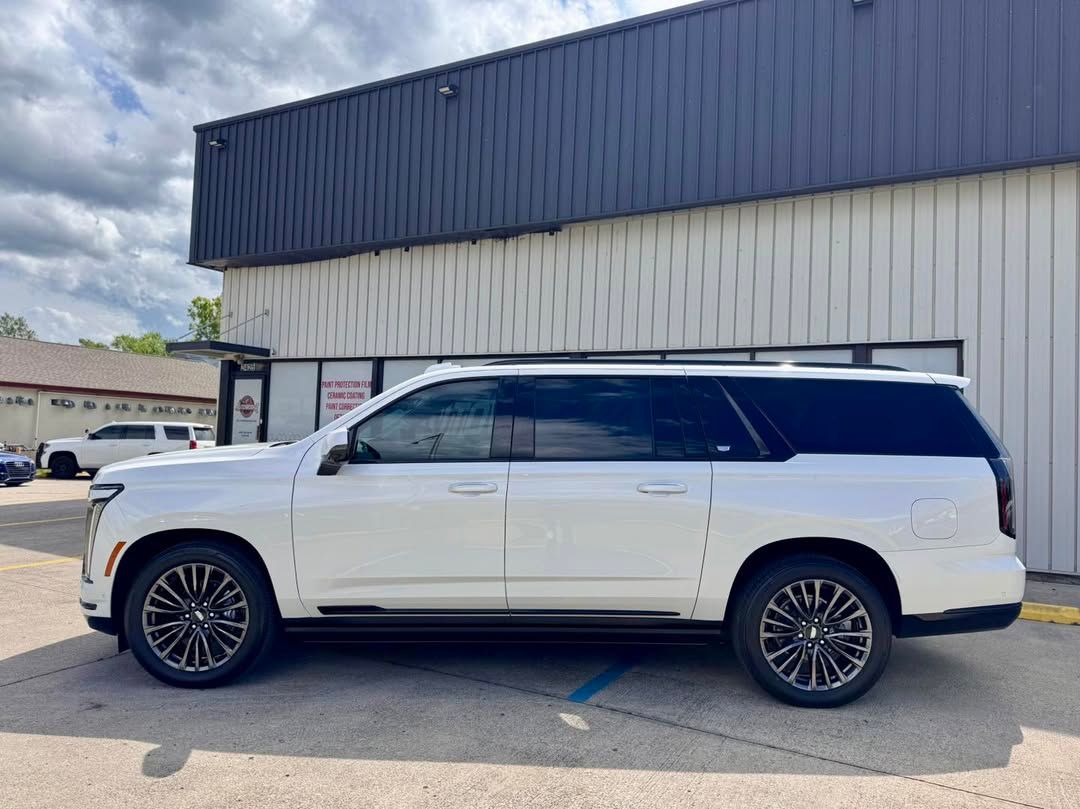
Benefits and Limitations of Full Vehicle PPF
Full coverage represents the most complete way to preserve your vehicle’s paint, and it is a popular choice for newer vehicles, luxury models, and owners who plan to keep their cars for years. Its advantages come from the sheer breadth of protection, though that breadth also brings a higher commitment in cost and time. Weighing the benefits against the limitations helps you decide whether complete coverage matches your expectations. The following overview explains what full protection delivers and where it may be more than some drivers require.
The benefits of full vehicle PPF include protection across every painted panel, a consistent appearance with no mismatched sections, maximum paint preservation, and strong appeal when it is time to resell. Every surface receives the same defense against chips, minor scratches, and environmental damage. The limitations are a higher upfront investment, a longer installation process, and the reality that some drivers simply do not face enough exposure to justify covering every panel. For owners who value total protection, those tradeoffs are worthwhile, but it is wise to confirm that the scope fits your actual needs.
Why Professional Consultation Matters Before You Decide
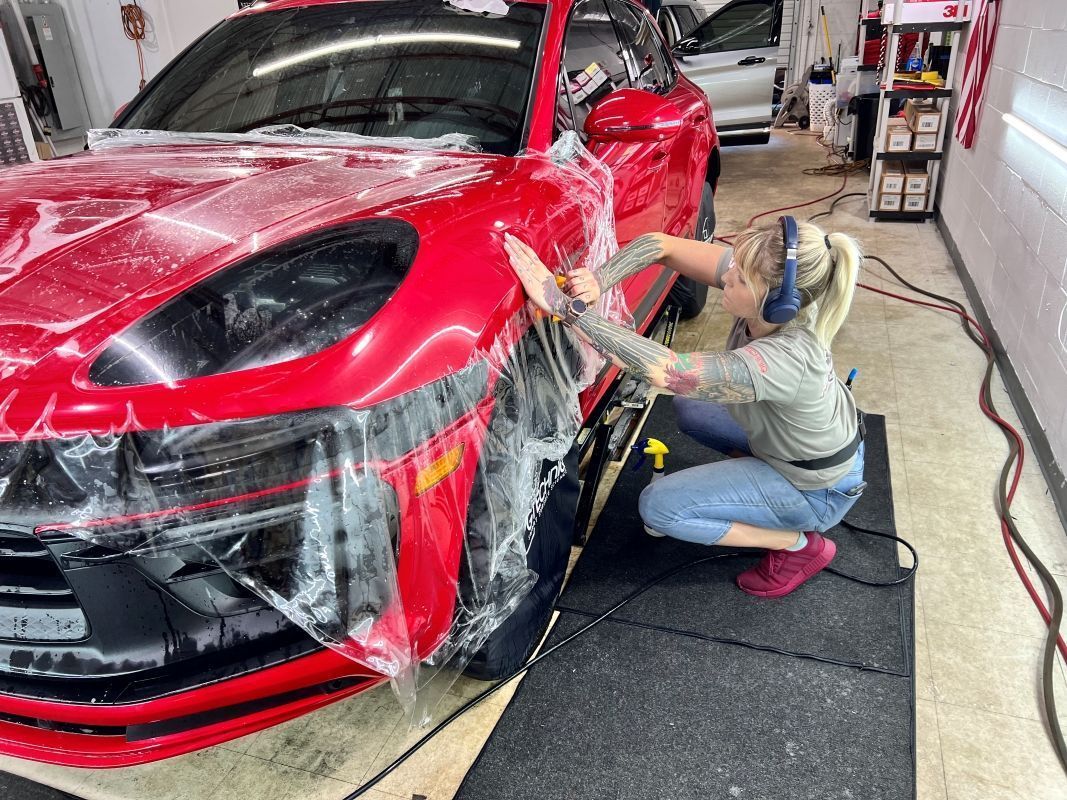
Choosing between coverage levels is easier when an experienced installer evaluates your vehicle in person rather than relying on general advice. Every car has its own paint condition, body shape, and usage pattern, and these details affect which package makes sense. A consultation at AutoworkZ Detailing begins with an inspection of the paint, the panel contours, and any existing damage that may need attention first. From there, we discuss your driving habits, budget, and goals, then recommend a plan tailored to your vehicle. Custom options, such as frontal coverage combined with rocker panels or other high-wear areas, can bridge the gap between the two main choices.
Quality also depends on both the film and the installation, which is why working with a skilled team matters as much as selecting coverage. Proper surface preparation, precise cutting and fitting, and careful finishing determine how the film looks and performs for years afterward. You can learn more about our approach and available options on the AutoworkZ Detailing paint protection film page, which outlines how we help Huntsville owners protect their investment.
Final Thoughts: Choosing the Coverage That Fits Your Vehicle and Lifestyle
The frontal PPF vs. full vehicle PPF decision comes down to matching protection to the way you actually live with your vehicle. Frontal coverage protects the panels that take the hardest hits at an approachable price, while full coverage preserves every painted surface for owners who want complete confidence. Your driving habits, local road conditions, vehicle usage, budget, and ownership timeline should all guide the final call. If you are in Huntsville, AL, and want expert help choosing,
contact us through our paint protection film page and get a recommendation built around your vehicle.