If you already have a ceramic coating on your vehicle and you are now considering paint protection film, you are probably wondering whether the two can work together without causing problems. This is one of the most common questions car owners in Huntsville, AL, ask before booking an appointment, and it makes sense given how much both products cost and how much care goes into maintaining a vehicle's finish. At AutoworkZ Detailing, we get asked this almost every week, and the honest answer is that it depends on the condition of the coating, how it was applied, and how much preparation is done before the film goes on. This article walks through exactly what happens when paint protection film meets ceramic coating, why proper surface preparation matters so much, and how professional inspection at AutoworkZ Detailing helps protect your investment from day one.
Can You Apply Paint Protection Film Over Ceramic Coating?
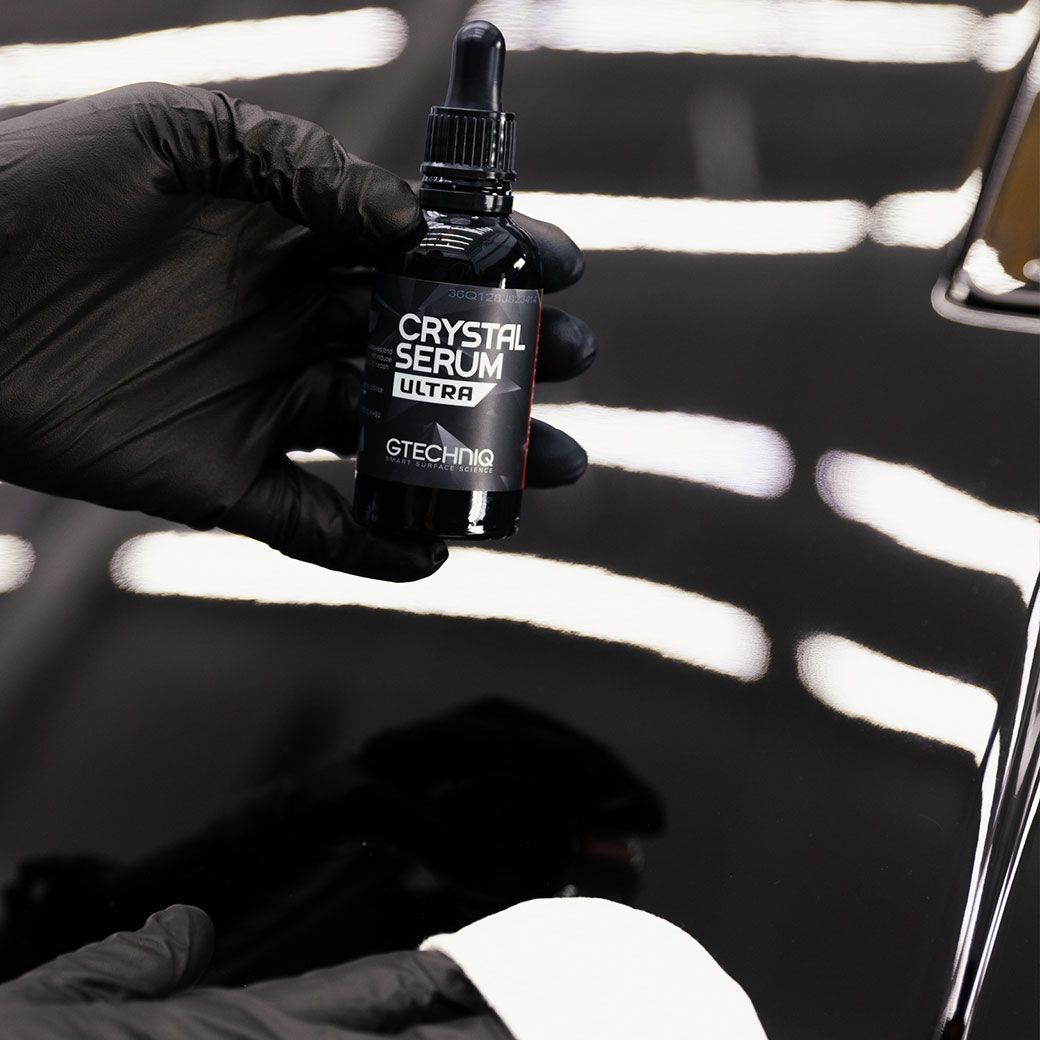
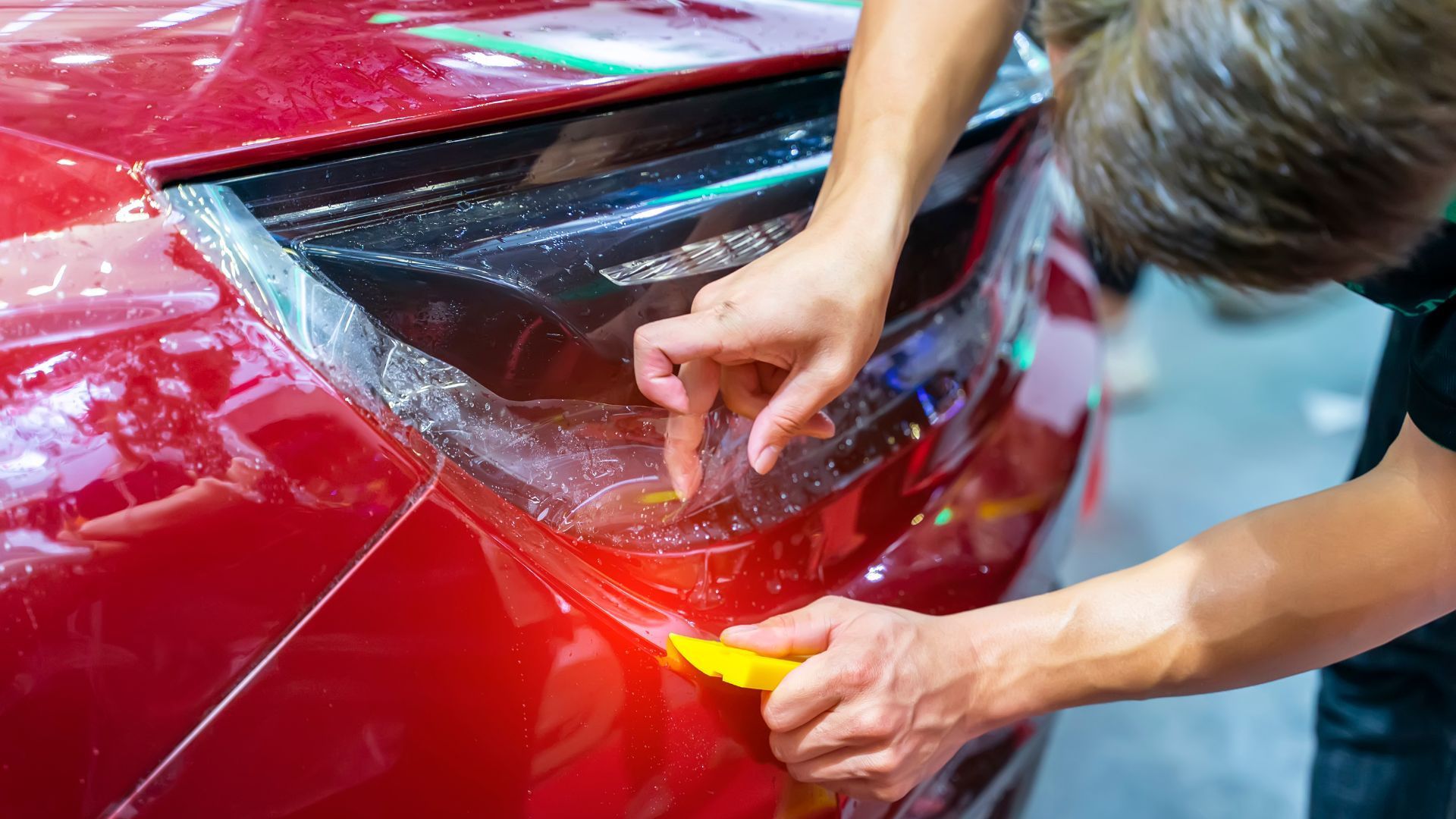
Layering paint protection film directly over an existing ceramic coating is technically possible, but it is not something that should be done without careful evaluation first. Ceramic coatings are designed to bond tightly to the clear coat and create a hard, glossy, hydrophobic barrier, and that same barrier can work against the adhesive layer on the back of paint protection film. Before any installer at AutoworkZ Detailing agrees to apply film over a coated vehicle, we assess the type of coating used, how long ago it was applied, and whether it has fully cured, because all of these factors influence whether the film will bond properly or fail within a few months.
How Ceramic Coating Affects PPF Adhesion
Ceramic coatings are formulated to repel water, dirt, and contaminants, and that same repellent quality can make it difficult for the adhesive backing of paint protection film to grip the surface the way it needs to. The smoother and slicker the coating, the harder it becomes for the film to form a lasting bond, which increases the risk of lifting edges, bubbling, or premature peeling. This is especially true with high-performance ceramic coatings that use multiple layers, since each additional layer adds thickness and reduces the microscopic texture that adhesives typically rely on. Our technicians at AutoworkZ Detailing test adhesion carefully because a film that looks perfectly installed on day one can start failing within weeks if the bond underneath was never strong to begin with.
Situations Where PPF Over Ceramic Coating Works
There are cases where installing film over an existing coating can work reasonably well, particularly when the coating is thin, has been applied only once, or has started to naturally wear down over time from washing and environmental exposure. In these situations, the surface may still have enough texture left for the film's adhesive to grip securely, especially when combined with the right preparation steps beforehand. However, this is never something we assume without testing first, because every vehicle that comes through AutoworkZ Detailing has a different coating history, and guessing at adhesion strength is how installation failures happen. When conditions are favorable, our team can move forward with confidence, but that confidence always comes from inspection rather than assumption.
Risks of Skipping Proper Preparation
Skipping surface preparation before applying film over ceramic coating is one of the fastest ways to end up with a failed installation and wasted money. Film that does not bond correctly can start lifting at the edges within days, trap moisture or debris underneath, and create visible bubbling that ruins the clean look the film was meant to provide. In more serious cases, poor adhesion can lead to the film shifting during driving, cracking under panel gaps, or requiring an early and costly removal and reinstallation. At AutoworkZ Detailing, we would rather spend extra time preparing the surface correctly than rush an installation that is likely to fail, because our reputation in Huntsville is built on protection that actually lasts.
Why Surface Preparation Is Essential Before PPF Installation
Surface preparation is the foundation of every successful paint protection film installation, and this becomes even more critical when a ceramic coating is already present on the vehicle. Without the right preparation, even the highest quality film on the market will struggle to stay in place, and the protective benefits customers expect will not hold up over time. This is why the preparation phase at AutoworkZ Detailing often takes just as long, if not longer, than the actual film application itself. Getting this stage right is what separates a professional installation from a DIY attempt that looks fine for a week and then starts falling apart.
Removing Ceramic Coating for a Clean Bond
In many cases, the safest and most reliable path forward is removing the existing ceramic coating entirely before applying paint protection film. This is typically done through a combination of clay bar treatment, polishing compounds, and in some cases chemical strippers designed specifically to break down cured ceramic layers without damaging the clear coat underneath. Removing the coating restores the paint to a cleaner, more receptive state, giving the film's adhesive the best possible chance to form a secure and long-lasting bond. Our team at AutoworkZ Detailing approaches this step carefully, since aggressive removal techniques can cause more harm than good if not handled by someone experienced with both coatings and films.
Polishing and Decontaminating the Paint Surface
Beyond removing the coating itself, the paint underneath needs to be properly decontaminated and polished to eliminate any residue, oxidation, or embedded particles that could interfere with film adhesion. Contaminants that are invisible to the naked eye can still prevent the film from sitting flush against the paint, leading to uneven surfaces or trapped air pockets once the film is applied. Polishing also helps correct minor imperfections in the clear coat, giving the film a smoother base to adhere to and improving the overall finished appearance once installation is complete. At AutoworkZ Detailing, this stage is treated as non-negotiable because a clean and properly polished surface directly determines how well the film performs over the following years.
Testing Adhesion Before Full Installation
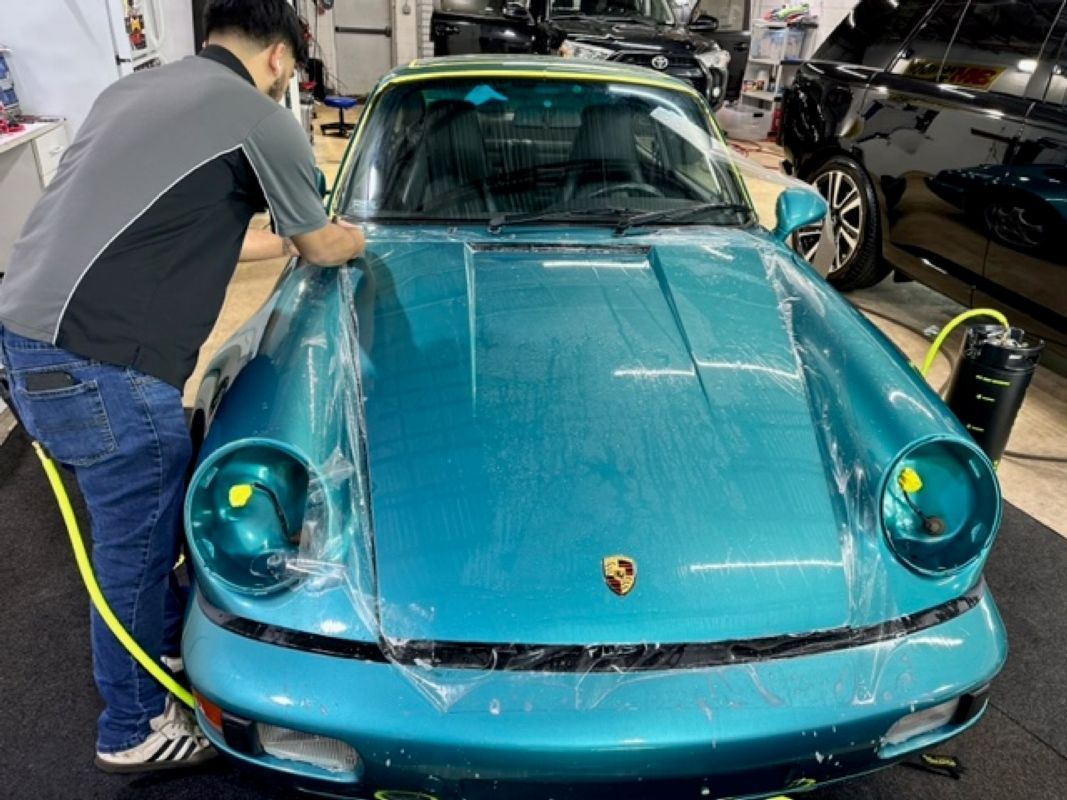
Before committing to a full-panel or full-vehicle film installation, testing adhesion on a small, less visible section of the vehicle helps confirm whether the surface is truly ready. This step allows our technicians to observe how the film responds to the prepared paint, checking for proper grip, resistance to lifting, and overall bonding strength before moving forward with the rest of the vehicle. If the test area shows any signs of weak adhesion, additional preparation can be performed before the larger installation begins, saving both time and material. This approach reflects how AutoworkZ Detailing handles every vehicle that comes through our shop, since confirming results firsthand is always more reliable than assuming the surface will behave a certain way.
When Ceramic Coating Removal or Polishing Is Necessary
Not every vehicle needs a full coating removal, but there are clear signs that indicate when this step becomes necessary rather than optional. Thick coatings, multiple layered applications, or coatings that have fully cured over several months tend to create a much harder barrier for film adhesive to penetrate, making removal the safer choice in most of these situations. On the other hand, vehicles with a single light coating that has started to naturally break down may only require a thorough polish rather than complete removal. The difference between a simple maintenance polish and a full paint correction often comes down to how the coating was applied and how long it has been sitting on the vehicle, which is something our team evaluates closely before recommending a path forward.
The Role of Professional Inspection in Reliable Paint Protection
Professional inspection plays a central role in making sure paint protection film performs the way it is supposed to, especially when a ceramic coating is already part of the equation. DIY assessments often miss subtle signs of coating buildup, uneven surfaces, or areas where adhesion may be compromised, which can lead to problems that only become visible after the film has already been installed. During inspection, our technicians at AutoworkZ Detailing examine paint condition, coating thickness, and how well the film can wrap around edges and body lines without lifting. This level of attention helps prevent costly redos and ensures that customers are not left dealing with film failure just weeks after paying for a full installation.
Choosing a Trusted PPF Installer in Huntsville, AL
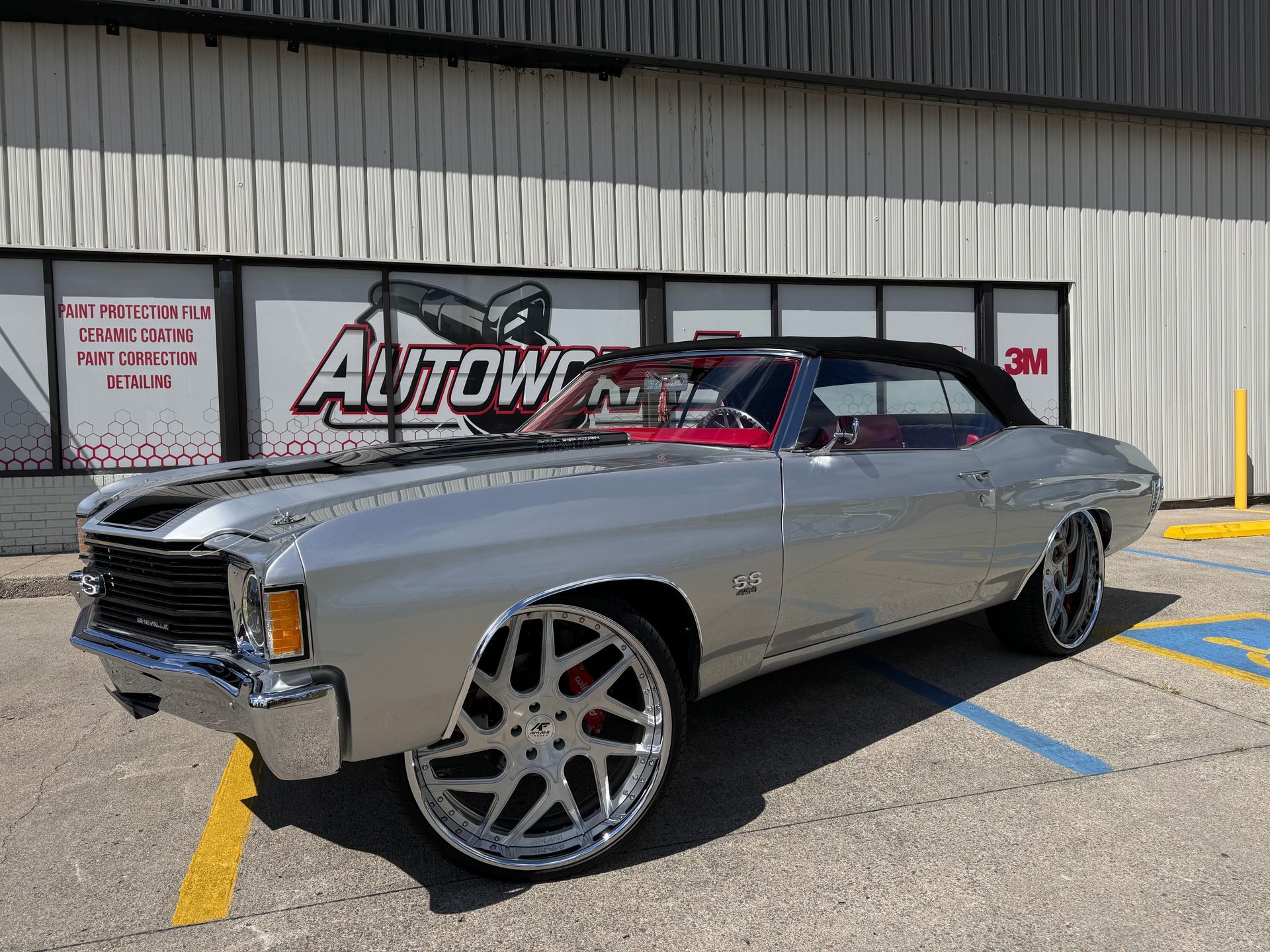
Local expertise matters when it comes to paint protection film, particularly in a place like Huntsville where heat, humidity, and road debris all play a role in how well film adheres and holds up over time. Choosing an installer who understands these regional conditions, along with the nuances of ceramic coating removal and preparation, makes a significant difference in long-term results. When evaluating potential installers, it helps to look at certifications, warranty terms, and a proven track record of past installations rather than choosing based on price alone. AutoworkZ Detailing has built its process around these exact considerations, and our paint protection film services reflect years of hands-on experience with vehicles across Huntsville and the surrounding area.
Final Thoughts: Layering PPF and Ceramic Coating the Right Way
Applying paint protection film over an existing ceramic coating is possible, but only when the right preparation steps are followed and the surface is properly evaluated beforehand. Skipping these steps introduces real risks, from poor adhesion to premature film failure, while taking the time to inspect, polish, or remove the coating when necessary leads to a much more reliable outcome. Professional inspection remains the most important part of this entire process, since it catches issues that are easy to overlook without the right experience and tools. If you are considering paint protection film for a vehicle that already has a ceramic coating,
contact us before making any decisions. It can save you time, money, and frustration down the road.