If you have recently invested in paint protection film for your vehicle, one of the most common questions that comes to mind is how long the film actually needs to cure before it can handle everyday driving conditions. Curing is the process where the adhesive layer of the film bonds fully with your vehicle's paint, and rushing this stage can compromise the long-term performance of the film. At AutoworkZ Detailing, we walk every client through this timeline so there are no surprises after installation. Understanding paint protection film curing time helps you protect your investment and keeps your vehicle looking flawless for years to come.
How Long Does Paint Protection Film Take to Cure After Installation?
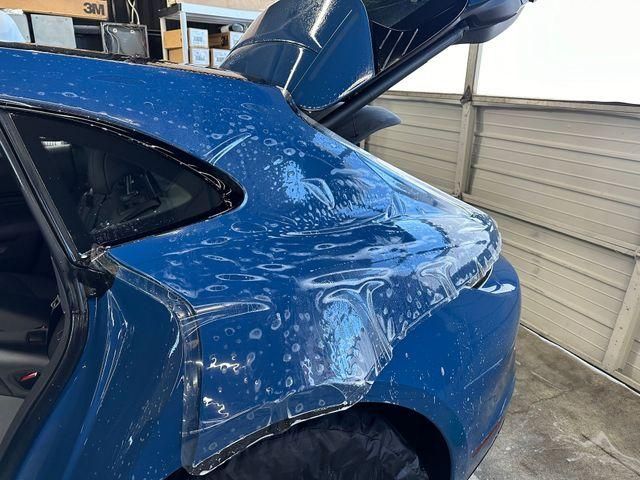
Paint protection film typically begins to set within the first 24 to 48 hours after installation, but full curing can take anywhere from seven to ten days depending on several variables. During this initial period, the adhesive is still forming a permanent bond with the clear coat of your vehicle, which means the film is more vulnerable to moisture, dirt, and physical disturbance than it will be once fully cured. Many customers assume the film is finished the moment it looks clear and smooth, but the bonding process happening beneath the surface takes considerably longer than the visual appearance suggests. This is why our team at AutoworkZ Detailing always provides a clear aftercare timeline so drivers know exactly what to expect during each stage of the process.
Key Factors That Affect Paint Protection Film Curing Time
Several conditions influence how quickly or slowly the film sets, and understanding these factors can help you plan your driving and washing schedule more effectively. Temperature, humidity, and the specific type of film used all play a significant role in determining the final curing window. Because these variables can vary widely depending on the season and the installation environment, our technicians factor them into every project we take on so the results are consistent and reliable. The quality of your
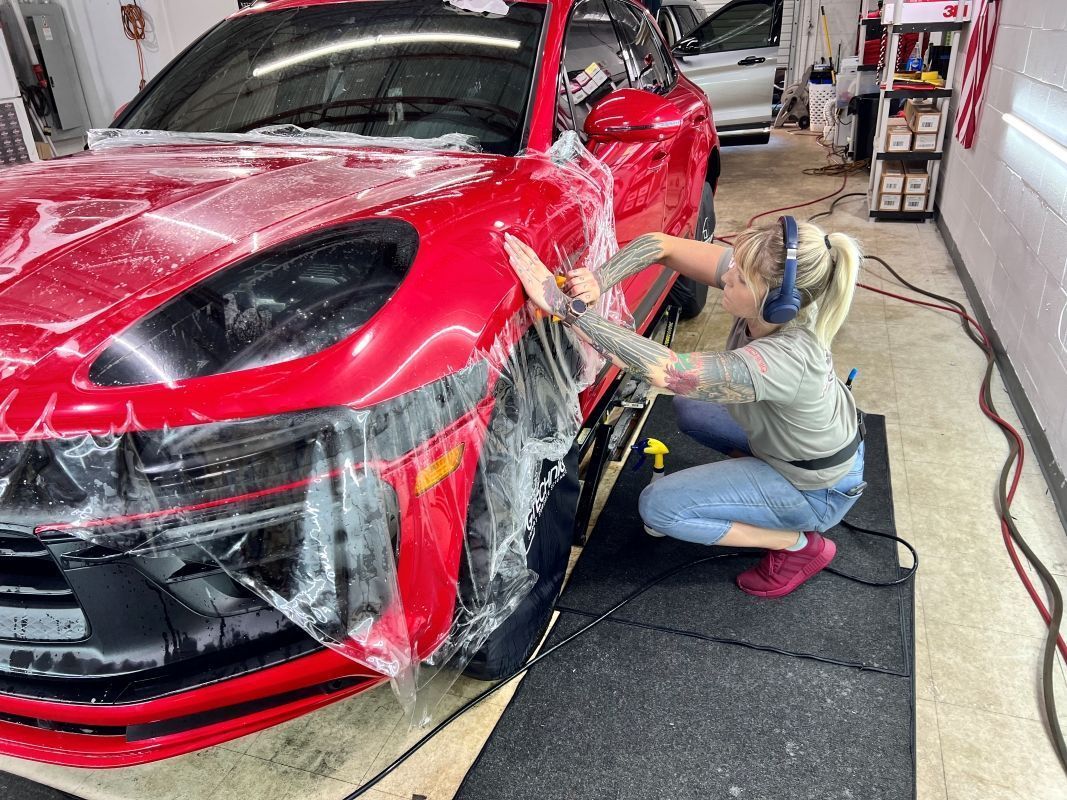
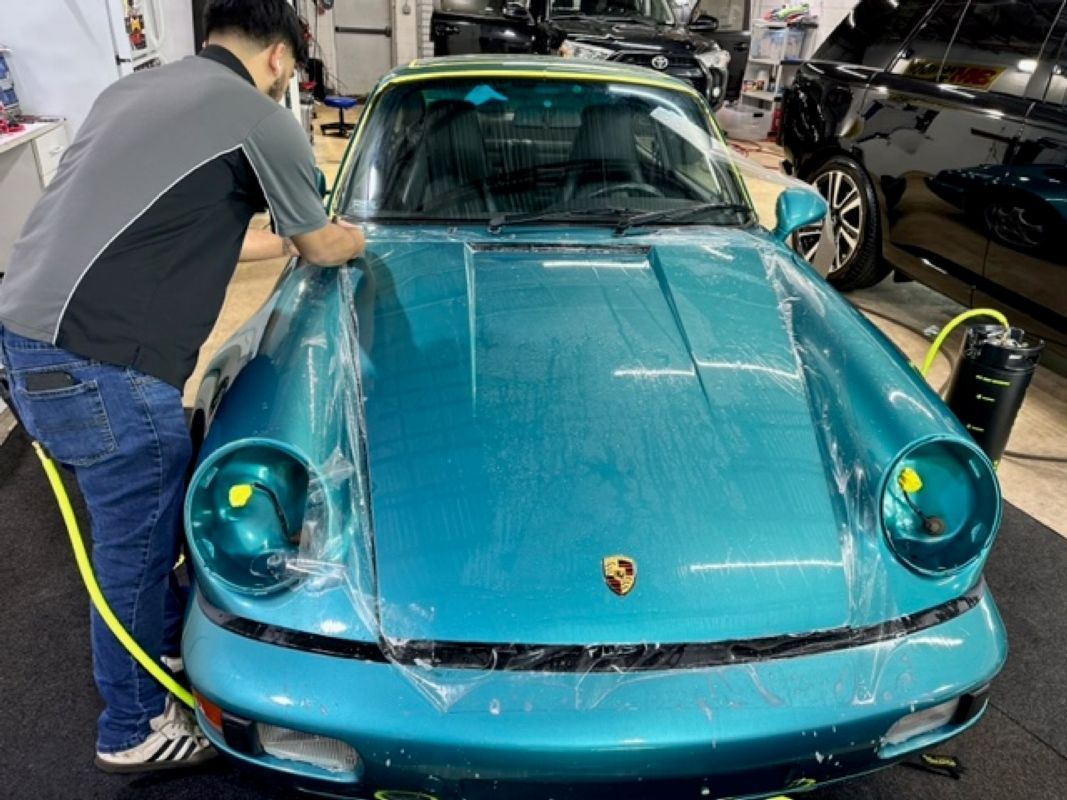
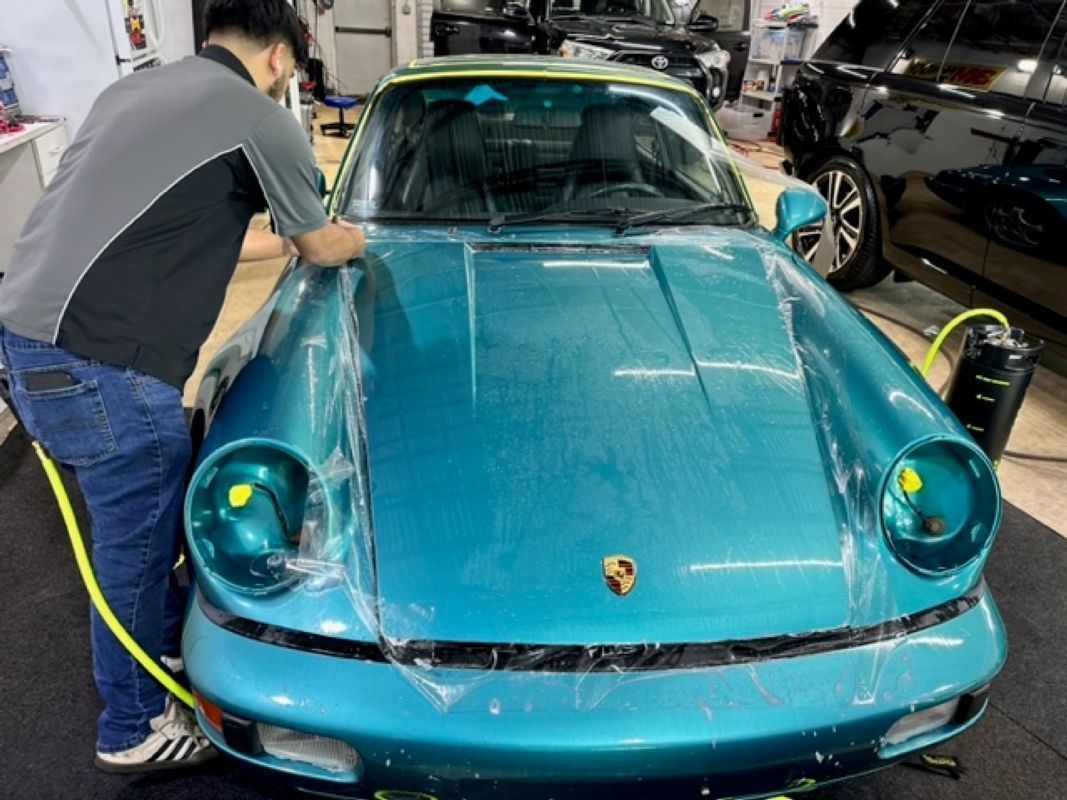
paint protection film installation directly impacts how well it cures and performs over time. At AutoworkZ Detailing, we provide professional paint protection film services using premium materials and precise installation techniques to deliver a seamless finish and long-lasting protection for your vehicle.
Temperature and Its Role in the Curing Process
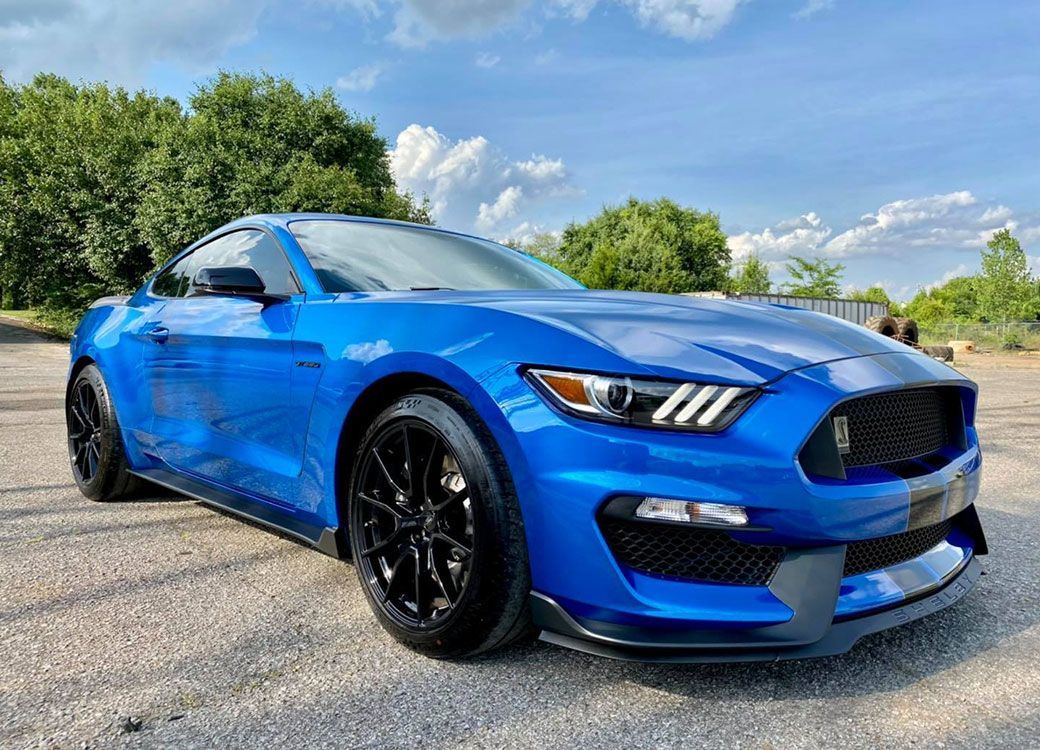
Temperature is one of the most influential factors in how quickly paint protection film cures, since the adhesive relies on warmth to activate and bond properly with the vehicle's surface. Warmer conditions, generally between 70 and 85 degrees Fahrenheit, tend to accelerate the curing process and allow the film to set within a shorter window. Colder temperatures slow the chemical reaction significantly, which is why installations performed during cooler months may require additional curing time before the vehicle is ready for regular use. At AutoworkZ Detailing, our indoor installation facility is climate-controlled specifically to maintain optimal curing conditions regardless of the weather outside.
Humidity Levels and How They Slow or Speed Curing
Humidity works alongside temperature to influence the adhesive's ability to bond correctly, and excess moisture in the air can interfere with the curing chemistry. High humidity levels can trap moisture beneath the film or slow the evaporation process that the adhesive depends on, which extends the overall curing timeline. On the other hand, extremely dry conditions can sometimes cause the film to cure too quickly on the surface while the deeper adhesive layers are still settling, leading to an uneven bond. Because Huntsville experiences noticeable humidity swings across different seasons, our team monitors these conditions closely to ensure every installation cures evenly and securely.
Film Type and Adhesive Technology Differences
Not all paint protection films are built the same, and the adhesive technology used in each product can significantly change how long the curing process takes. Some premium films use advanced self-healing topcoats and faster-curing adhesives designed to shorten the waiting period without sacrificing durability. Older or lower-grade films may rely on adhesive formulas that require a longer bonding window and more careful aftercare during the curing phase. AutoworkZ Detailing works exclusively with high-performance film brands that are engineered for both durability and a more predictable curing timeline, giving our clients confidence in the results.
The PPF Curing Timeline, Stage by Stage
Understanding the curing process as a series of stages rather than a single event makes it much easier to know what your vehicle can handle at any given point. In the first 24 hours, the film is still extremely sensitive, and even small amounts of moisture or pressure can disrupt the bonding adhesive underneath. Between 48 hours and one week, the film becomes noticeably more stable, though it still benefits from gentle handling and avoiding harsh exposure. By the seven- to ten-day mark, most films have reached a fully cured state and can withstand normal driving, washing, and environmental conditions without any special precautions. AutoworkZ Detailing provides every client with a personalized curing schedule based on the specific film and installation conditions used for their vehicle.
Proper Aftercare During the Curing Period
Aftercare plays a critical role in ensuring the film cures correctly and performs the way it is designed to over the long term. Skipping proper aftercare steps, even unintentionally, can lead to bubbling, lifting edges, or an uneven finish that becomes difficult to correct later. Our team always sends clients home with clear guidelines so the curing period goes smoothly from start to finish.
When It's Safe to Wash Your Vehicle
Washing your vehicle too soon after installation is one of the most common mistakes that can interfere with the curing process. It is generally recommended to wait at least seven days before washing the vehicle, and even then, a gentle hand wash with mild soap is preferable to automated car washes or high-pressure equipment. Waiting the full curing period allows the adhesive to fully set before it is exposed to water pressure, brushes, or cleaning chemicals that could disturb the edges of the film. Our detailing specialists are happy to recommend safe washing products and techniques once your vehicle has reached the appropriate stage of curing.
When You Can Resume Normal Driving
Most vehicles can return to normal daily driving almost immediately after installation, though a few precautions during the first several days help protect the film while it cures. It is best to avoid long highway drives at high speeds during the first 48 hours, since wind pressure and debris impact can stress the edges before the adhesive has fully set. Parking in a garage or shaded area whenever possible during the first week also reduces unnecessary exposure to sun and temperature fluctuations. Once the film reaches full cure, your vehicle can be driven exactly as it was before, with the added benefit of a durable protective layer against road debris.
Avoiding Harsh Conditions (Sun, Rain, Car Washes, Debris)
Beyond washing and driving habits, there are a few environmental conditions worth avoiding entirely during the curing window. Prolonged direct sunlight, heavy rain, and exposure to road salt or gravel can all place unnecessary stress on film that has not yet fully bonded to the paint. Automated car washes with spinning brushes are particularly risky during this period, since the mechanical pressure can lift edges before the adhesive has cured completely. Being mindful of these conditions for just the first week or two makes a significant difference in how well the film performs over its lifetime.
How Huntsville, AL Weather Impacts PPF Curing
Local climate conditions play a bigger role in curing time than many vehicle owners realize, and Huntsville's weather patterns present their own unique considerations. Summers in the area bring high humidity combined with intense heat, which can accelerate surface curing while requiring extra attention to moisture buildup underneath the film. Winters, while milder than many parts of the country, can still bring cooler temperatures that slow the adhesive bonding process and extend the recommended curing window. Because of these seasonal shifts, AutoworkZ Detailing performs all installations in a controlled indoor environment, allowing us to manage temperature and humidity precisely rather than leaving the process to unpredictable outdoor conditions.
Signs Your Paint Protection Film Has Fully Cured
Knowing what to look for can help you confirm that your film has reached the end of its curing period and is ready for full use without restrictions. Fully cured film will feel firmly bonded to the surface with no soft spots, bubbling, or lifting along the edges or seams. The surface should also feel smooth and consistent to the touch, without any tackiness or give when pressed gently. If you notice any unusual texture, discoloration, or separation at this stage, it is worth reaching out to your installer, since these signs may indicate the curing process did not complete as expected.
Common Mistakes That Delay or Damage the Curing Process
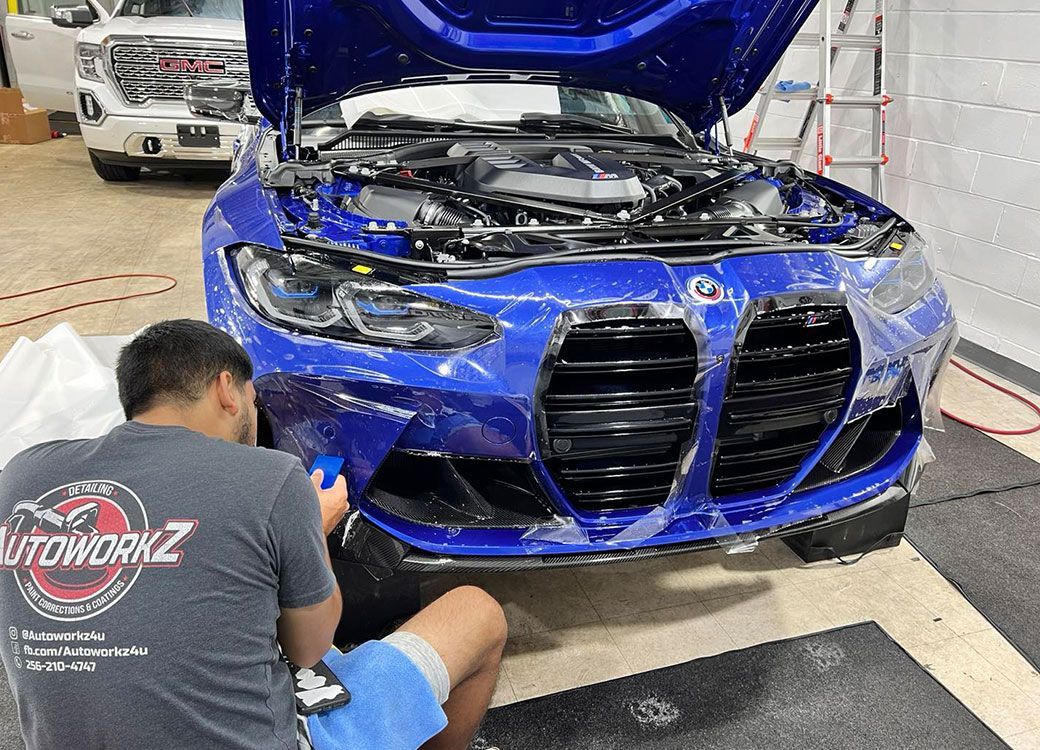
Even well-intentioned vehicle owners sometimes make small mistakes that extend curing time or compromise the final result. Washing the vehicle too early, driving through harsh weather, or parking directly under intense sun exposure during the first week are among the most frequent issues we see. Using improper cleaning products or attempting to remove dirt and debris with excessive pressure before the film has cured can also disturb the adhesive bond. Following the aftercare instructions provided at the time of installation is the simplest way to avoid these setbacks and ensure the film performs as intended for years to come.
Final Thoughts: Protecting Your Investment During the Cure
Paint protection film is a long-term investment in your vehicle's appearance and resale value, and giving it the proper time and conditions to cure is essential to getting the most out of that investment. From temperature and humidity to film type and daily habits, every factor discussed here plays a part in how well your film bonds and performs over time. At AutoworkZ Detailing, we take pride in guiding every client through this process with clear expectations and professional installation standards. Need advice about paint protection film or post-installation care?
Contact us
to speak with our team and schedule your service today.